


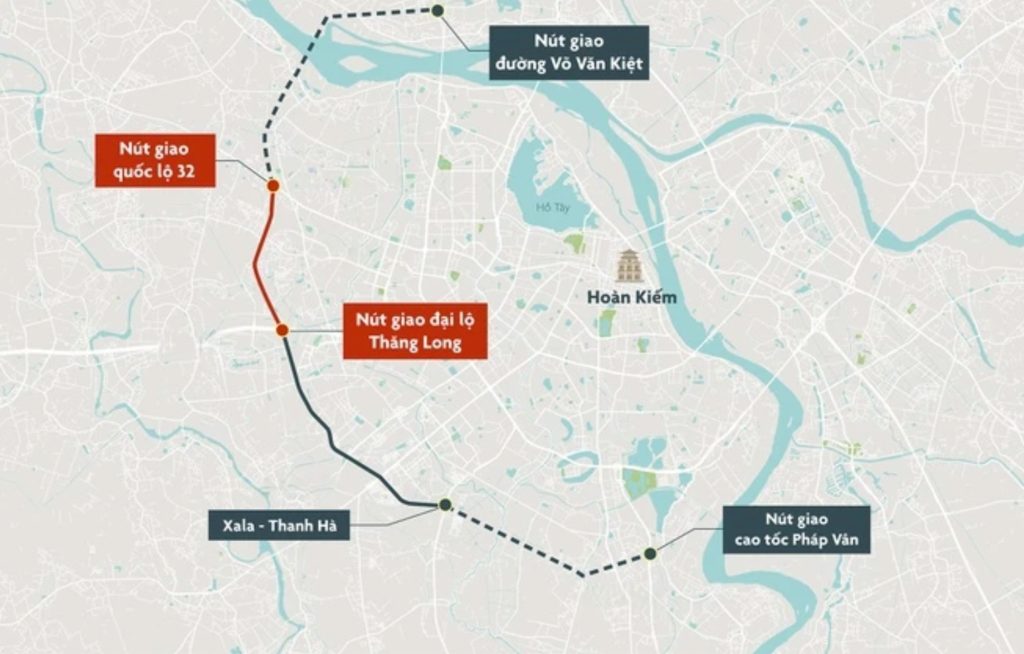
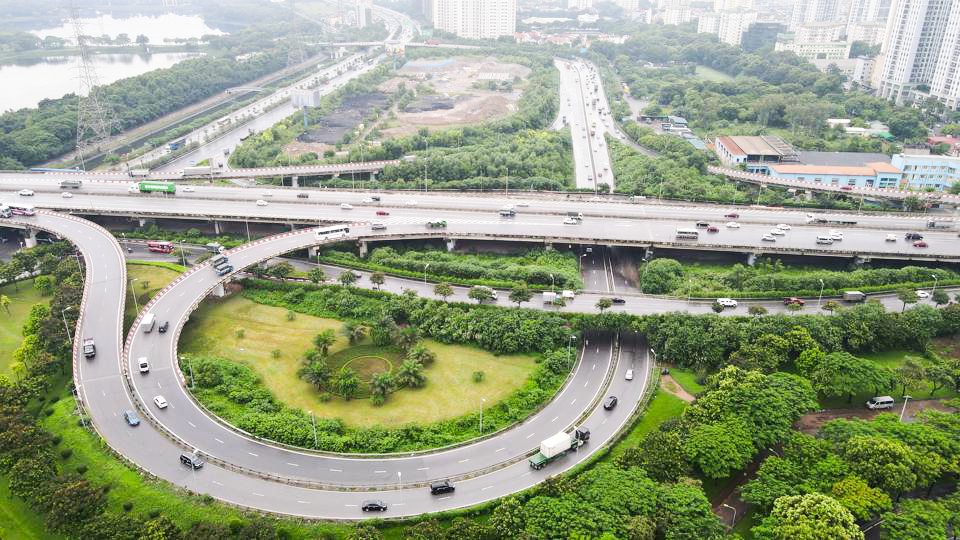
Ring Road 3.5 is identified as a key transportation route within the spatial development plan for Hanoi. Situated between Ring Road 3 and Ring Road 4, the route is designed not only to redistribute traffic flow but also to serve as a catalyst for the development of new urban areas, service hubs, and social infrastructure
Category Archives: Design
15
Jul
Jul
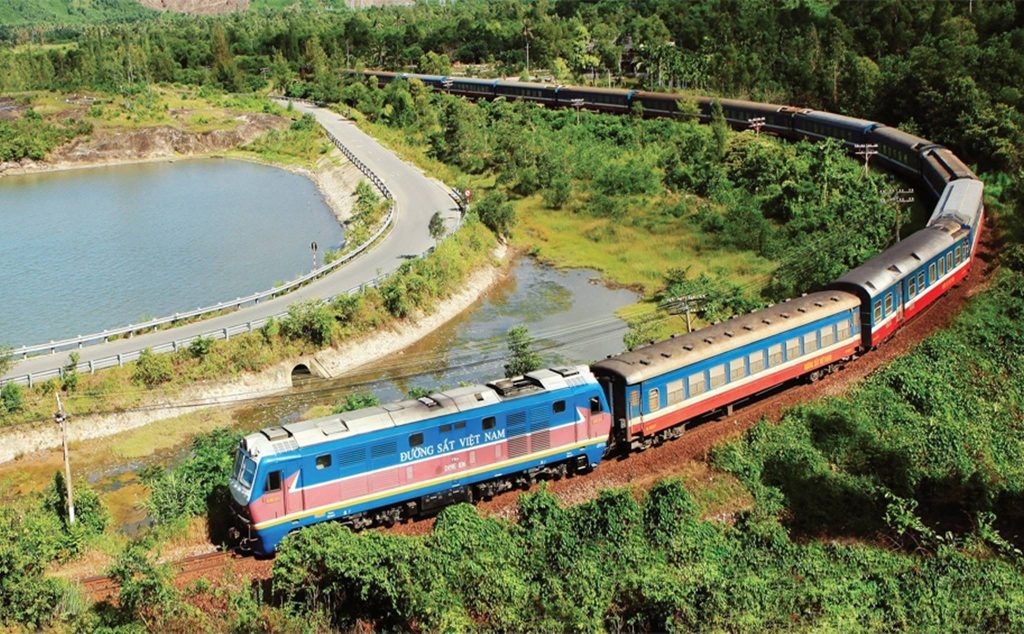
Railways are a high-capacity mode of transportation that plays an important role in connecting urban areas, industrial zones, and major economic centers. Railway alignment design includes route alignment studies, horizontal and vertical alignment design, cross-sectional design, railway subgrade, track systems, and associated auxiliary structures. Design alternatives are developed based on topographical and geological conditions, transportation
08
Jun
Jun
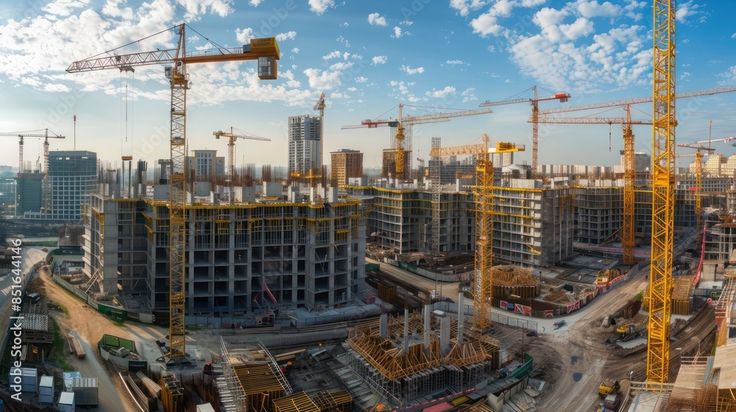
Building design is the process of developing architectural, structural, and engineering solutions to meet requirements for functionality, safety, and investment efficiency. The design process includes site planning, selection of appropriate structural solutions, load calculations, and the integration of technical systems based on the specific characteristics of each project. Design solutions are optimized to ensure functionality,
02
Apr
Apr
Railway subgrade and track structures are essential components that directly affect the stability, safety, and operational quality of the entire railway line. The design process includes evaluating geological conditions, calculating subgrade requirements, and selecting appropriate track structures, sleepers, ballast layers, or ballastless track solutions according to project requirements. The selection of suitable engineering solutions ensures
01
Apr
Apr
Reinforced concrete is widely used in bridge, transportation, and infrastructure projects due to its high load-bearing capacity, durability, and suitability for a wide range of construction conditions. The design process focuses on load analysis, structural modeling, and determining the appropriate dimensions and configuration of load-bearing components. Structural solutions are selected to meet requirements for load-bearing
08
Mar
Mar
Flyovers and grade-separated interchanges are important solutions for areas with high traffic volumes, helping minimize conflicts between traffic flows and improve overall road capacity. The design process requires the integration of traffic organization, roadway geometry, and bridge structural solutions. Factors such as loads, clearance requirements, foundation and geological conditions, construction constraints, and the surrounding landscape
24
Jan
Jan
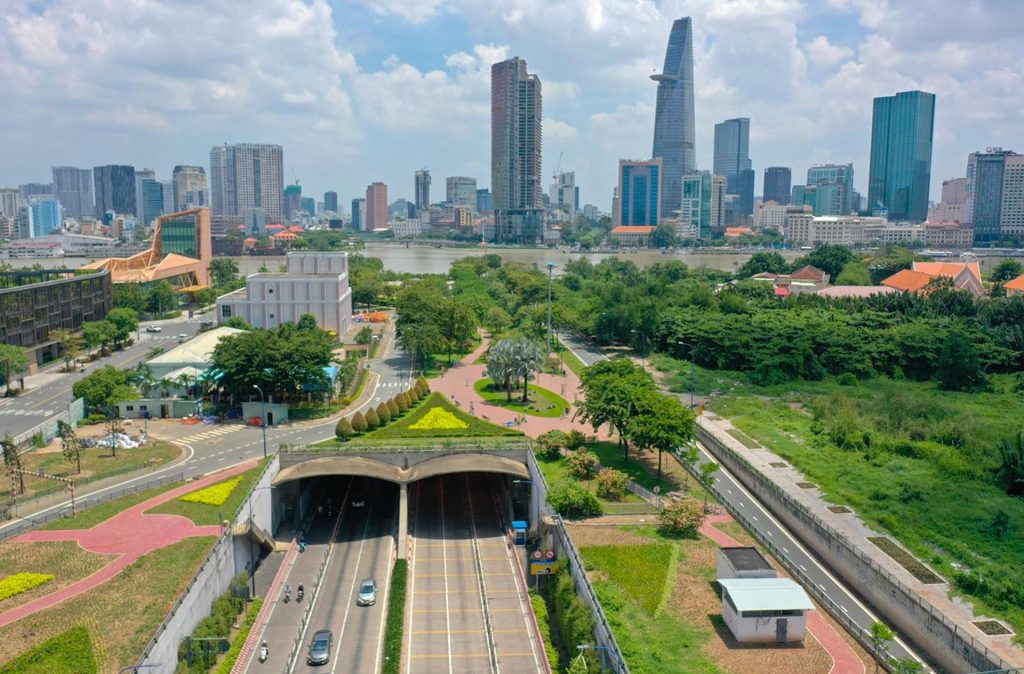
Transportation tunnels are an important infrastructure solution for densely populated urban areas, complex terrain, or locations where efficient land use and spatial optimization are required. The design process includes route alignment studies, geological and hydrological assessments, tunnel structural design, construction methods, and related technical systems. Appropriate design solutions are selected to ensure structural capacity, operational
16
Sep
Sep
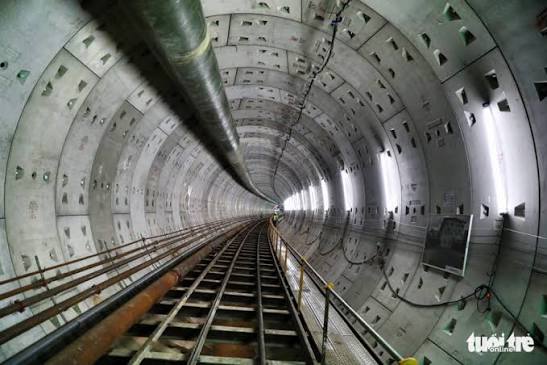
Metro tunnel structural design requires comprehensive analysis of the effects of soil conditions, groundwater, traffic loads, and existing structures at ground level. Depending on project conditions, tunnel structures may be designed to accommodate different construction methods, such as Cut & Cover or Tunnel Boring Machine (TBM) excavation. Proper structural analysis and the selection of appropriate

07
Jun
Jun
An airport is a complex infrastructure system in which transportation and technical facilities must be planned and integrated effectively to ensure safe and efficient operations. The design scope may include aircraft aprons, service roads, internal transportation networks, drainage systems, site planning, and other related technical infrastructure facilities. By analyzing operational requirements, natural conditions, and the
10
Sep
Sep
Road design is a key field in the development of transportation infrastructure, requiring a balanced consideration of technical requirements, safety, economic efficiency, and actual terrain conditions. The design process includes route alignment studies, geometric road design, subgrade and pavement design, drainage systems, intersections, and auxiliary structures. Design alternatives are developed based on survey data and
- 1
- 2